
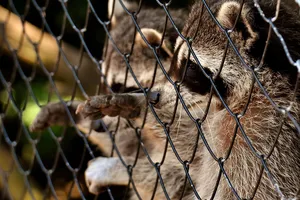
The most notorious pest on the block, raccoons are the largest member of the procyonid family.
Despite garbage being the cornerstone of a raccoon’s diet, they are quite intelligent and are able to remember the solutions to tasks for up to three years. No wonder raccoon problems are so difficult to control and solve!
Procyonidae
Procyon lotor
Raccoons measure between 40 – 70 centimetres with another 20 – 40 added from their bushy tails. Their body weight ranges depending on a raccoon’s habitat making them one of the most variably sized animals.
The defining physical feature of raccoons is black fur around their eyes, contrasting with the white on their faces. People are reminded of bandit masks, which our wildlife removal service team says accurately depicts the animal’s reputation for mischief.
The dark mask actually reduces glare, giving them unmatched night vision.
Raccoons are highly dependent on their sense of touch. Their front paws are hyper-sensitive, giving them the ability to identify objects from mere touch.
Where do raccoons live? The ring-tailed animals are equal opportunity denning machines meaning they’ll live in tree holes, fallen logs, or in your attic. Any location with a food source and a place to nest is a possible raccoon habitat. Just try to make sure the answer to “where do raccoons live?” isn’t your house.
What do raccoons eat? Raccoon diet is highly flexible and they’ll eat almost anything. As you may have experienced, they eat fruits and plants often grown in human gardens or farms. They’ll also rummage through garbage cans for a cheap meal, even without the opposable thumbs required to lift the lid.
The best technique to get rid of raccoons and prevent raccoon damage is being proactive to prevent raccoon problems before they become uncontrollable. This can be done through limiting access to foods, shelter, and water in and around your home.
Raccoon removal can also come in the form of exclusion, encouraging the pests to naturally find their way off your property. Plus, there are strict trapping regulations surrounding raccoons in Ontario with a special trapping license required. But because raccoons can carry diseases including rabies, this step is still best left to a wildlife control service once the raccoon infestation is identified.
| Monday | OPEN 24/7 |
| Tuesday | OPEN 24/7 |
| Wednesday | OPEN 24/7 |
| Thursday | OPEN 24/7 |
| Friday | OPEN 24/7 |
| Saturday | OPEN 24/7 |
| Sunday | OPEN 24/7 |
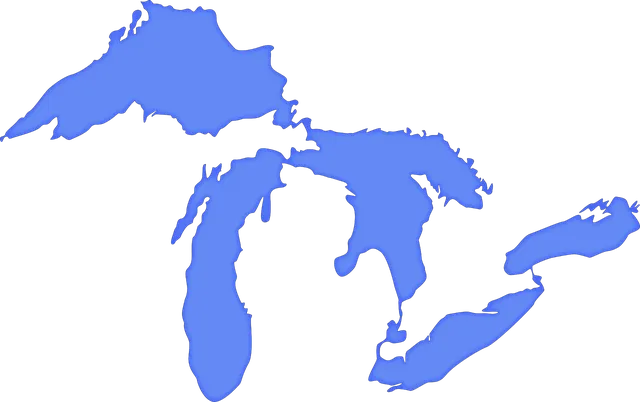




Terminix Canada’s Ontario branch proudly serves the following areas: Barrie, Belleville, Brampton, Burlington, Cambridge, Guelph, Kingston, Kitchener, London, Milton, Mississauga, Niagara Falls, Oakville, Ottawa, Sarnia, Simcoe, St. Catharines, Thornhill, Toronto, Vaughan, Windsor